I grew up with To The Moon and A Space for the Unbound —
games that felt like someone reached through the screen and said I see you.
That's the only reason I do this.
Three shipped titles. PC, Nintendo Switch, Mobile.
But the number I actually track is how many players felt something true.
I'm an INFP who ended up building invisible machinery for a living — and I think that's actually the whole point, not a contradiction. I came in through programming, shipped a mobile game in my first month as an intern before I really understood what I was doing. Then two years in community, watching players react to systems that weren't quite right. Then design, where I finally had the tools to fix what I kept seeing break.
The games I'm actually chasing are To The Moon and A Space for the Unbound — small, quiet, honest. The kind that makes you sit with the credits rolling and not want to move yet. I haven't made that game. But every system I balance, every branch I weight, every playtest I run — it's practice for that one.
I want players to see the world from someone else's eyes and come out of it a little more willing to understand people they don't yet know. That's the ministry underneath the craft. Rigorous invisible systems, delivering raw visible truth.
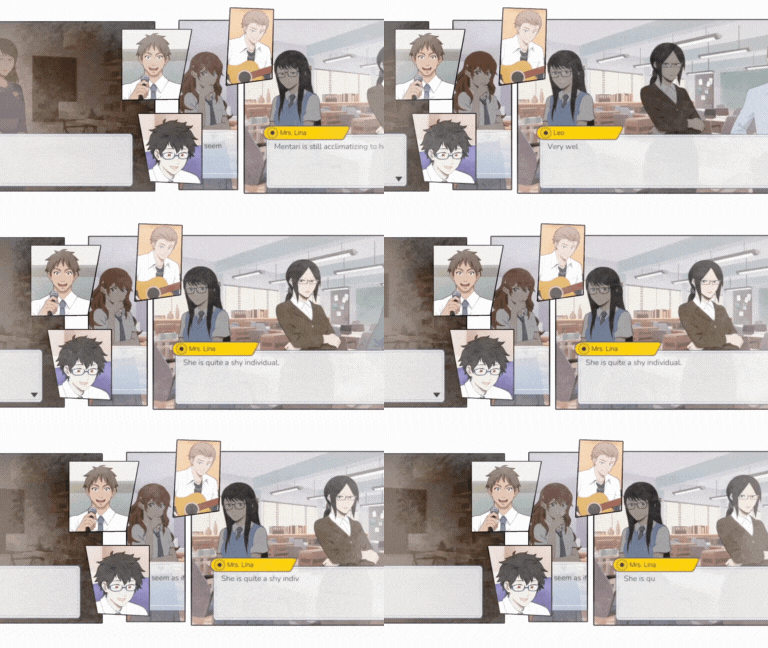
All three are playable today. Each has a design document behind it — not a retrospective dressed up as a GDD, but the actual working doc I used during production. Click "Read Full GDD" on any project. Click any screenshot to enlarge.
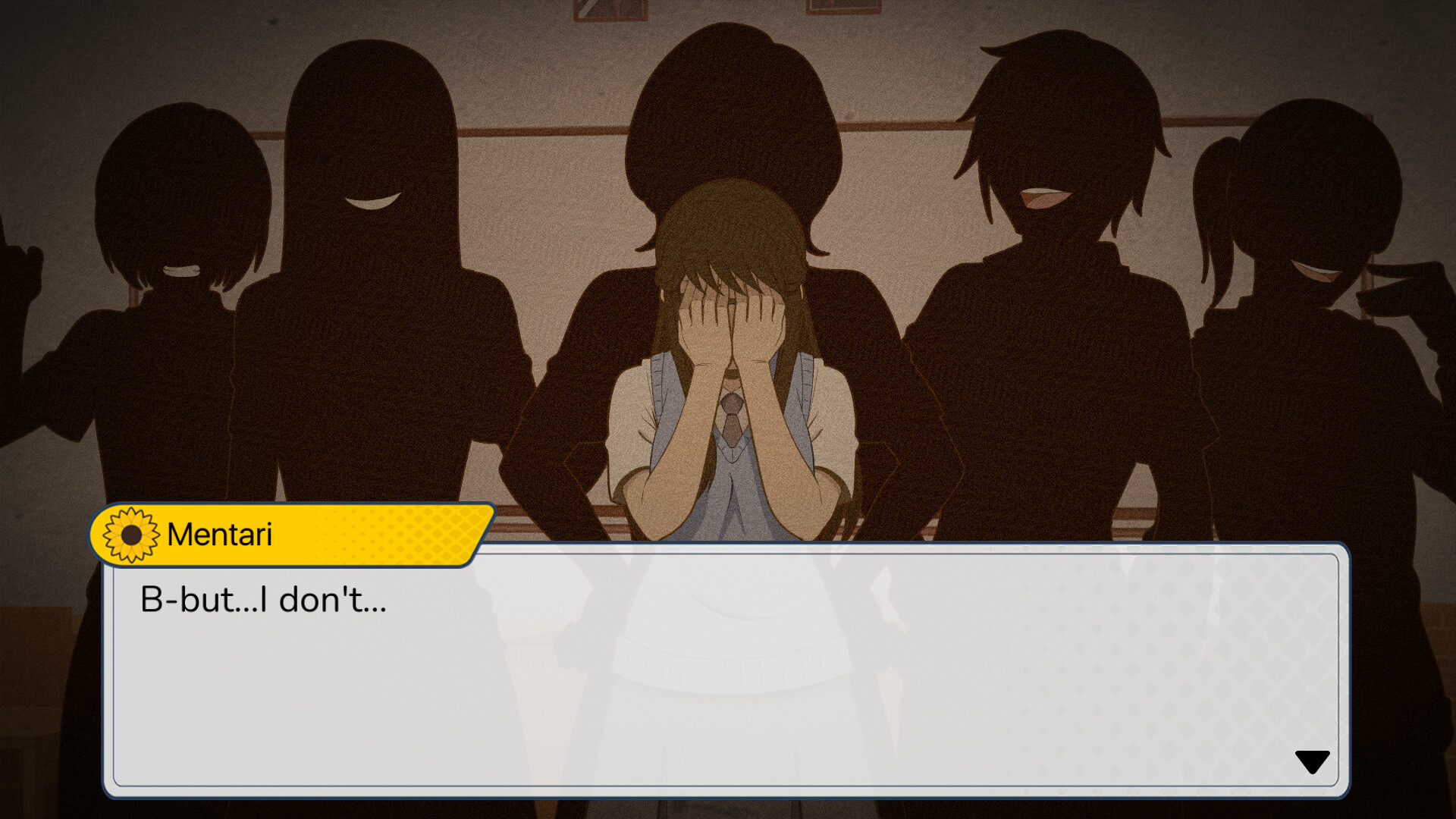
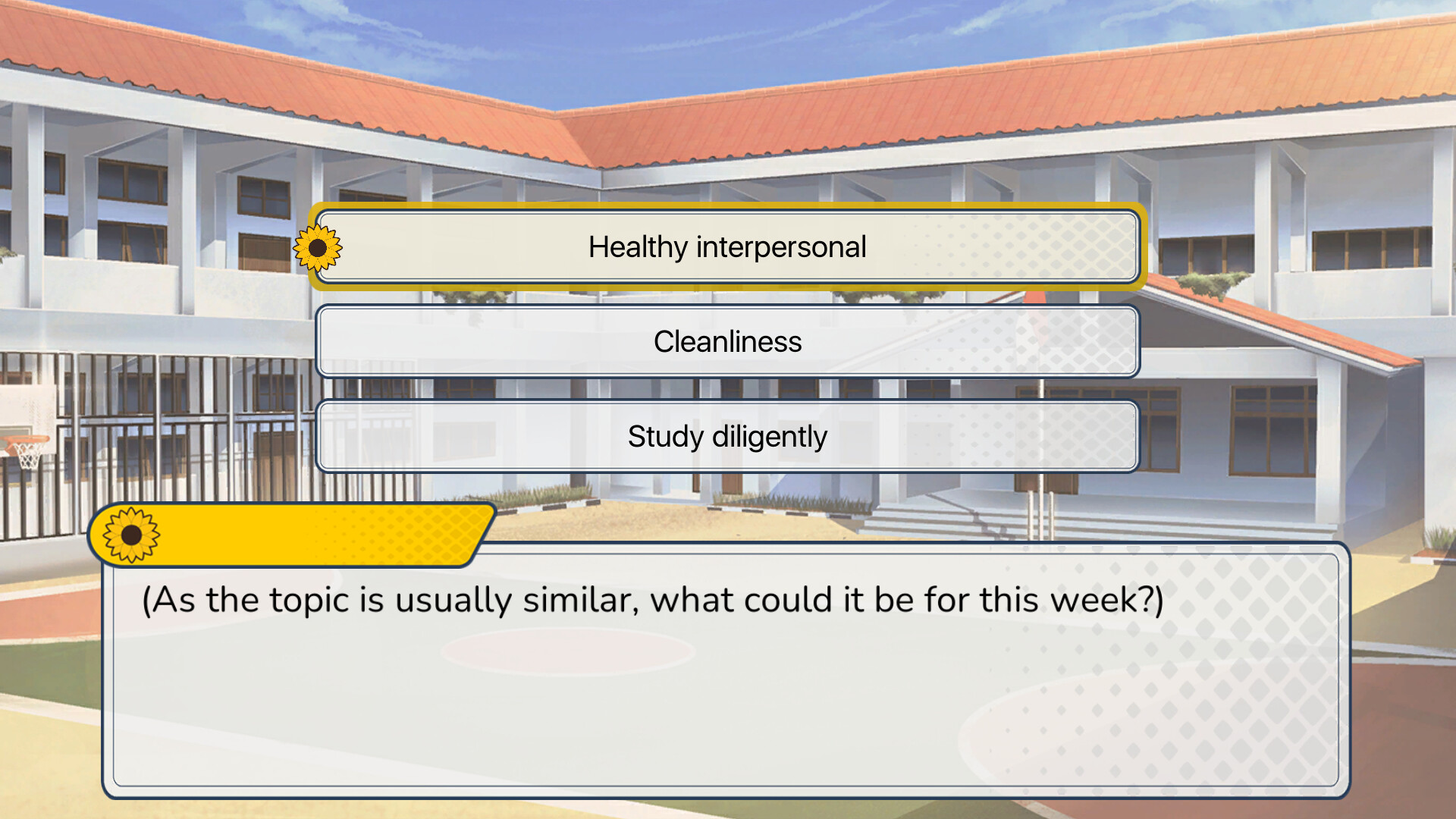
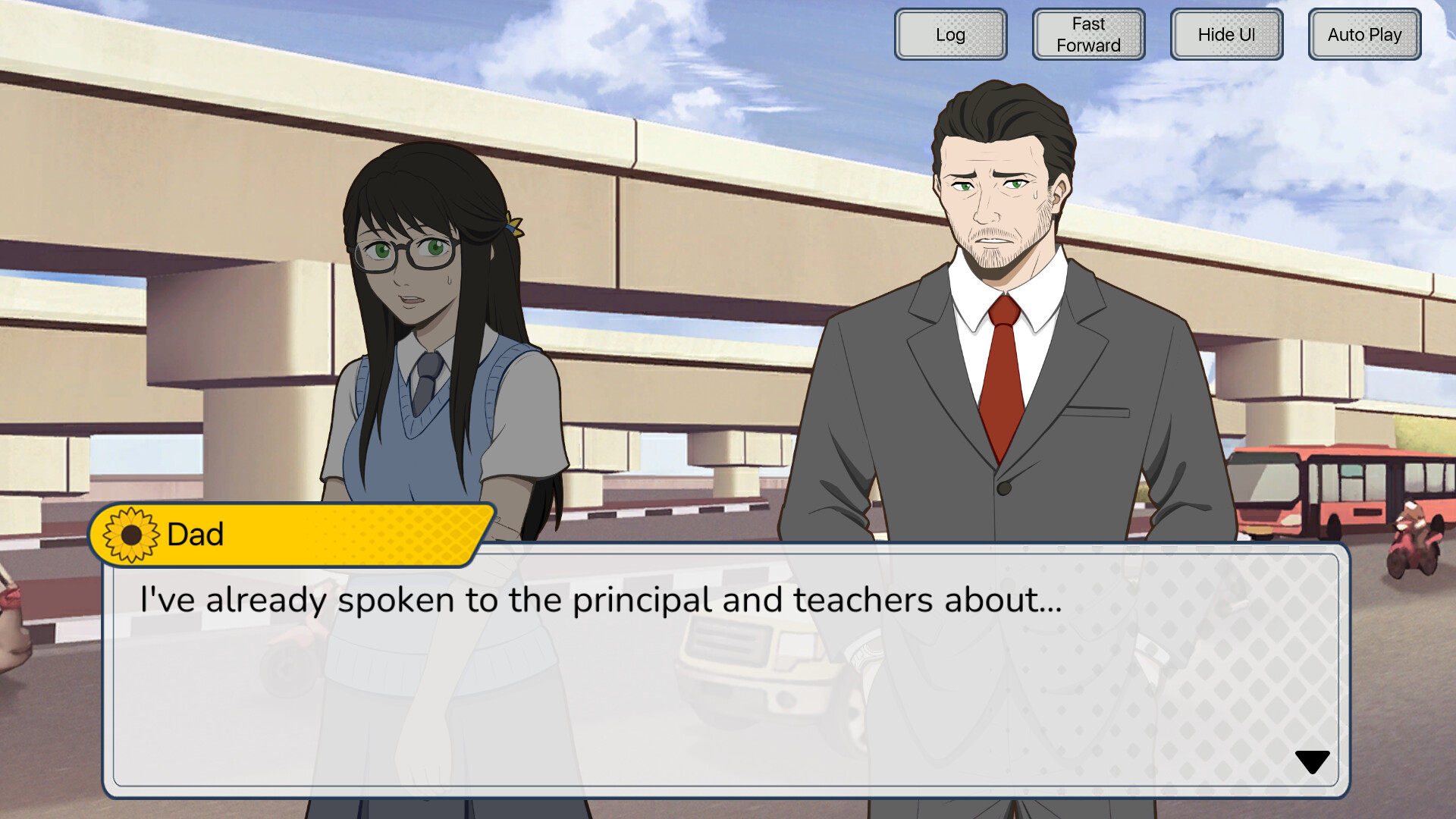
A game about bullying and mental health — made because someone in our team needed to make it. My job was to build a branching system where no ending felt like the "right" one, and no player felt their choices were decided before they started.
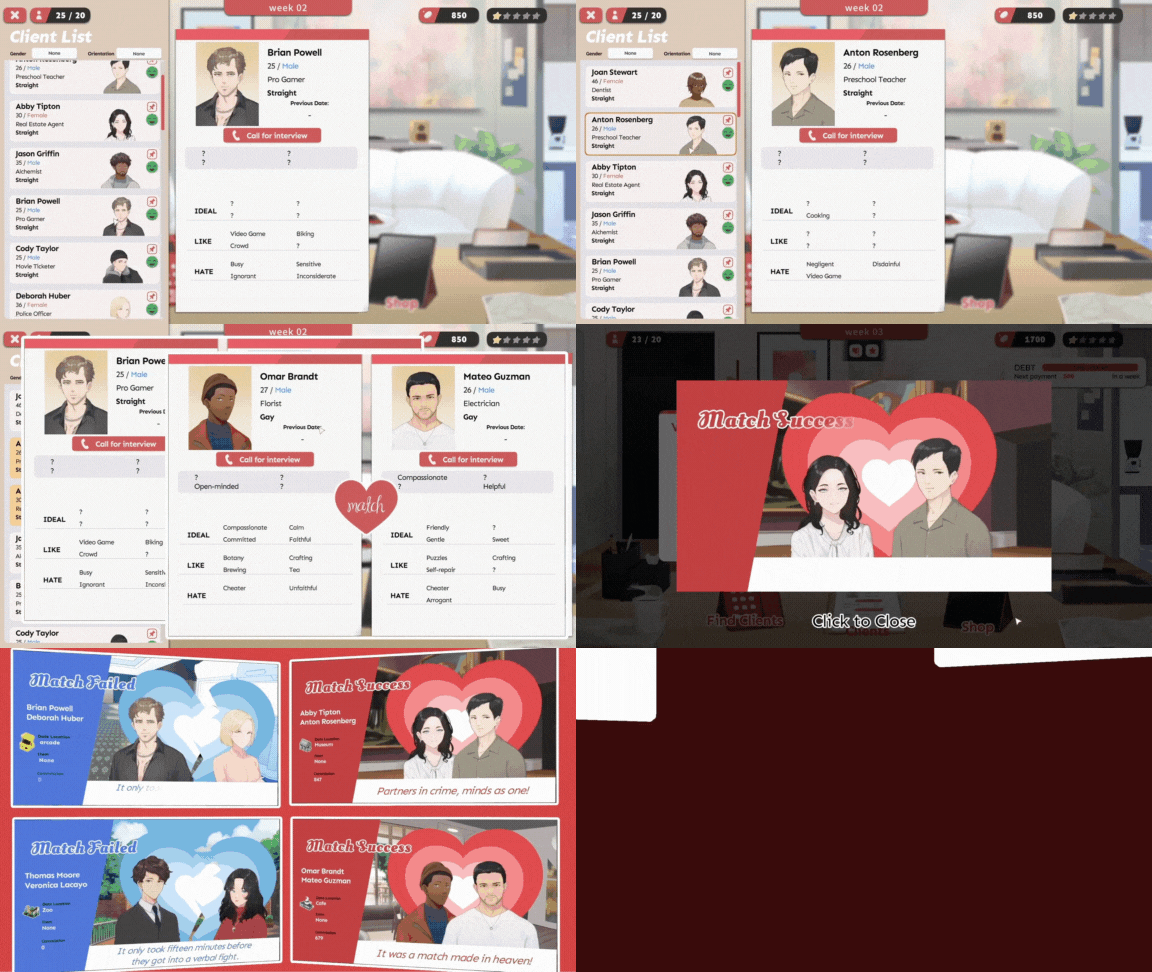
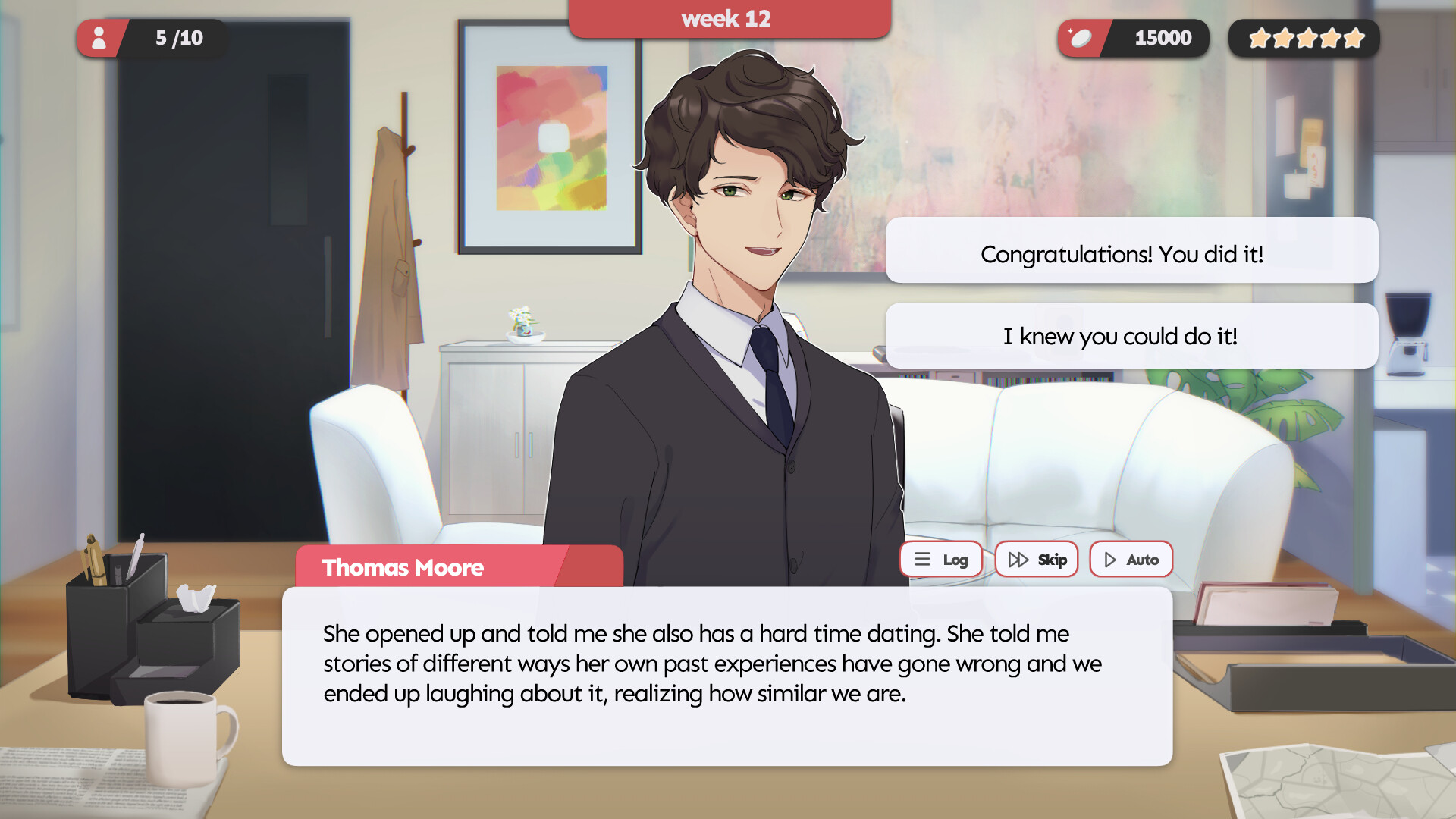
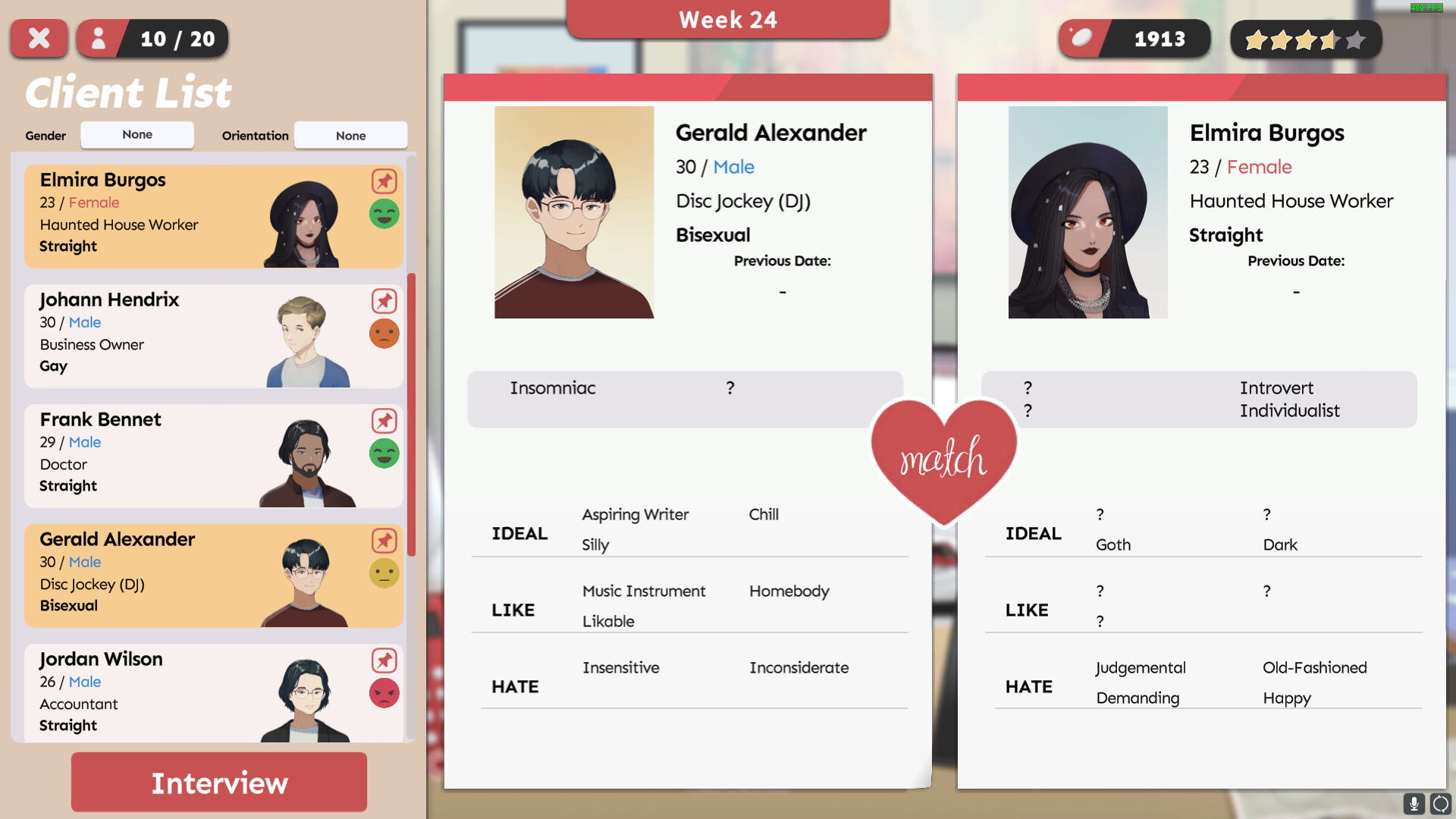
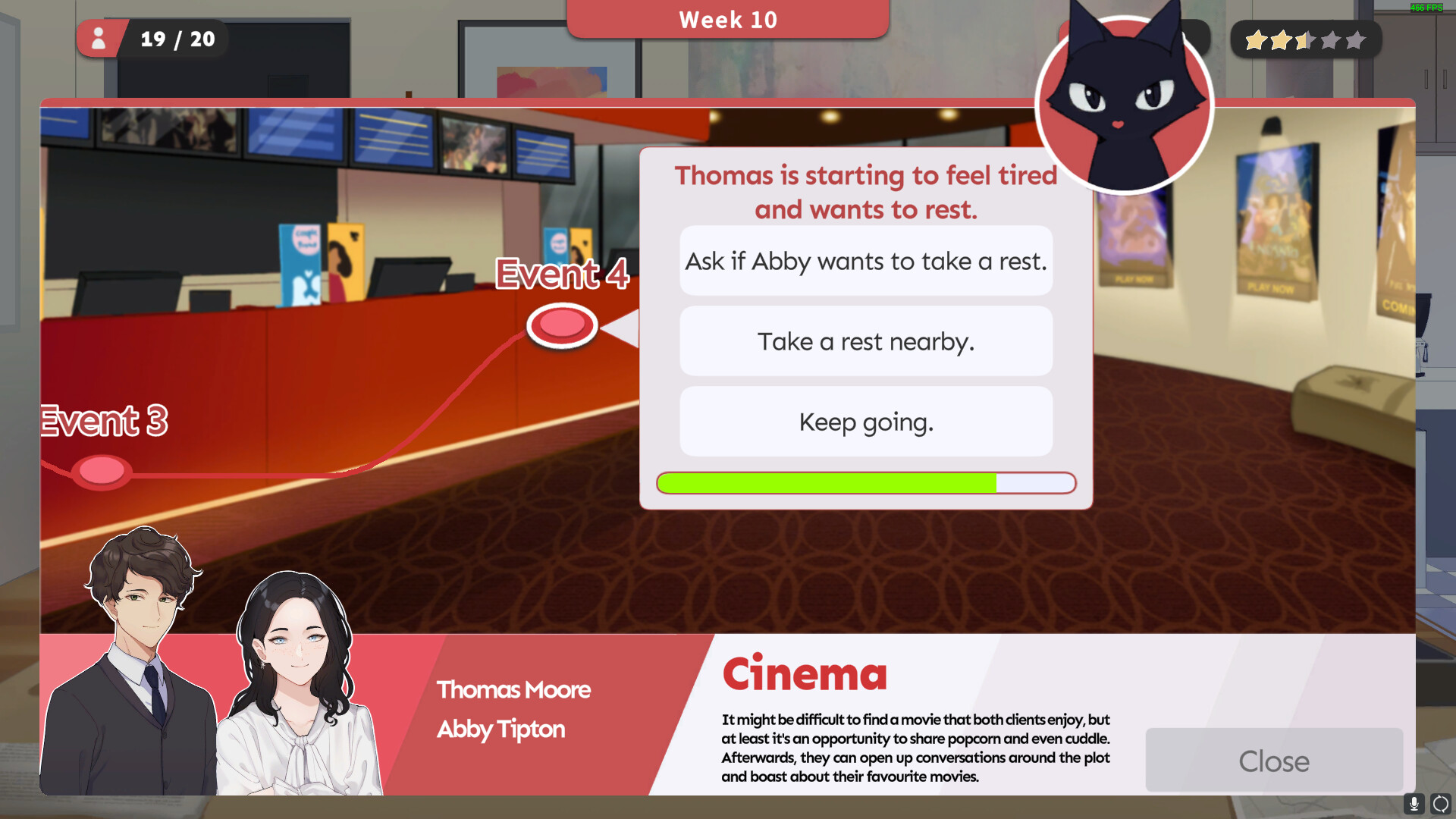
A simulation about attraction and compatibility — which sounds light until you're 40 trait combinations deep trying to understand why one personality type keeps winning everything. I stepped into lead design mid-production and had to diagnose the game before I could finish building it.
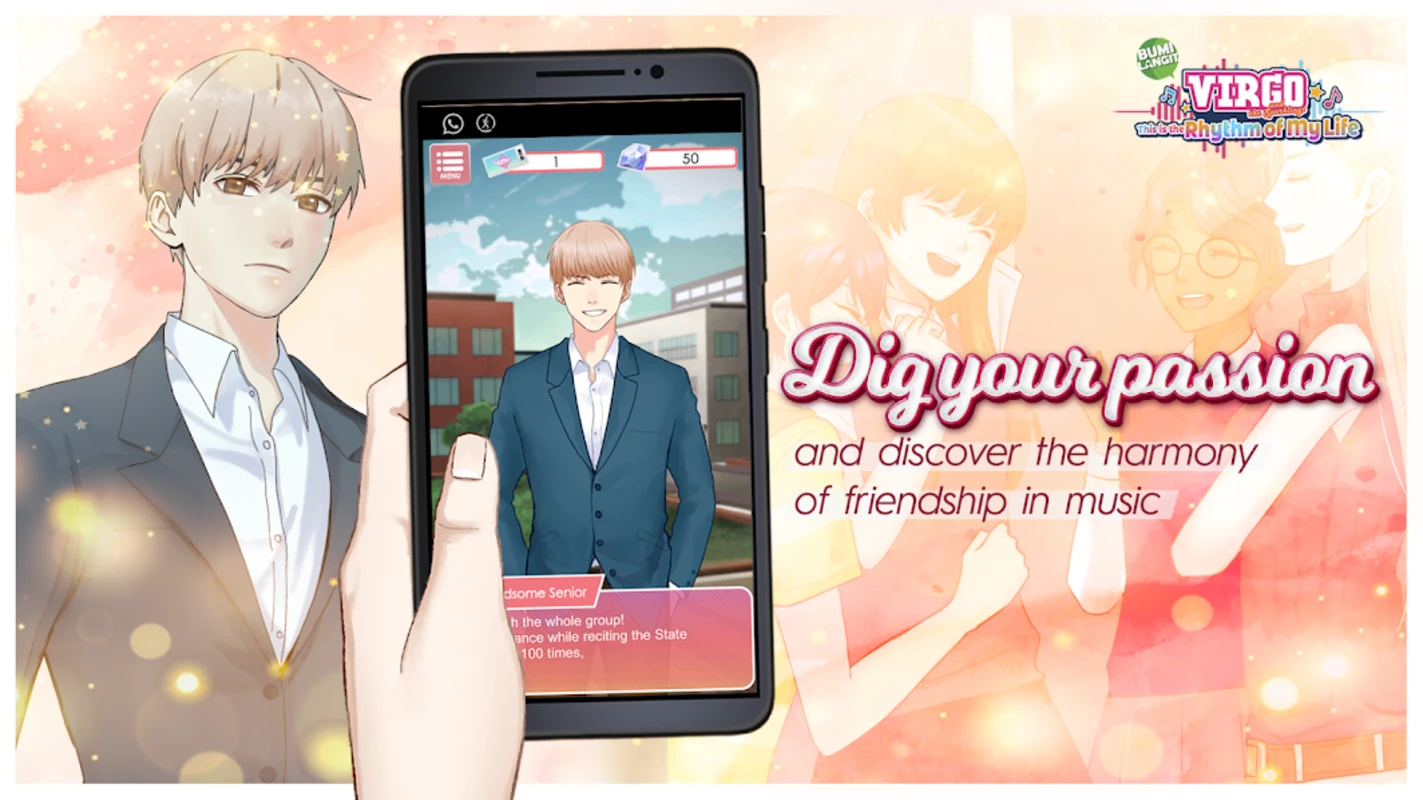
The story was already written. Bumi Langit owned it. My job was to build player agency inside a locked room — mechanics that gave people something to do with a narrative I couldn't change. That turned out to be the most interesting design constraint I've worked inside.
Six things I've actually done across three shipped games. I keep design documents for all of them — ask and I'll share the working files, not just the outcomes.
I'm looking for a studio that cares about the emotional side of games as much as the technical side. Remote works — I'm in Indonesia but I keep focused hours and I respond the same day.